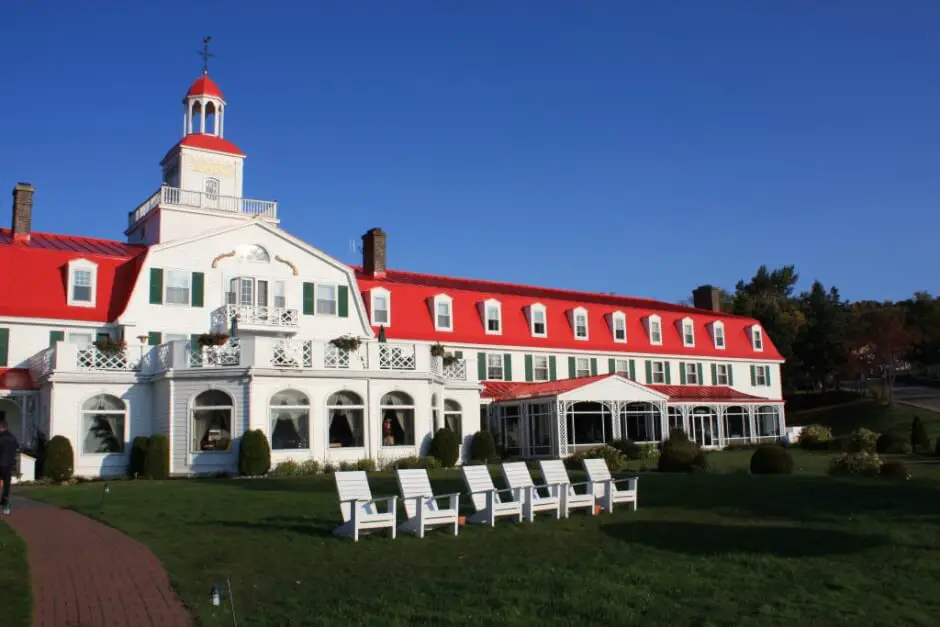
Canada travel tips for connoisseurs
Canada is not a country for those in a hurry. Those who try to see as much as possible in a short time end up spending most of their time on the road. Those who linger discover connections. That's precisely what our Canada travel tips for connoisseurs are all about.
The focus is not on scheduled activities, but on the experience itself. Not on a rapid succession of sights, but on experiences that only unfold when given the space to develop.
We have been traveling to Canada for many years. Monika lived in Vancouver for a year and led tours through Eastern, Northern, and Western Canada. In addition, she has undertaken numerous trips of her own, exploring cities, coastal regions, and national parks.
These experiences change one's perspective on the country. Those who only visit Canada briefly primarily see landscapes. Those who travel for a longer period realize how regions, people, and everyday life are interconnected.

Canada needs time
Distances in Canada are vast. But it's not just the distance that matters. Speed is more important.
Roads wind through forests, along lakes, or past coastlines. Often, the landscape hardly changes for many kilometers. Those who drive on at hourly intervals notice little of this. Those who stop and perhaps stay an extra night experience more.
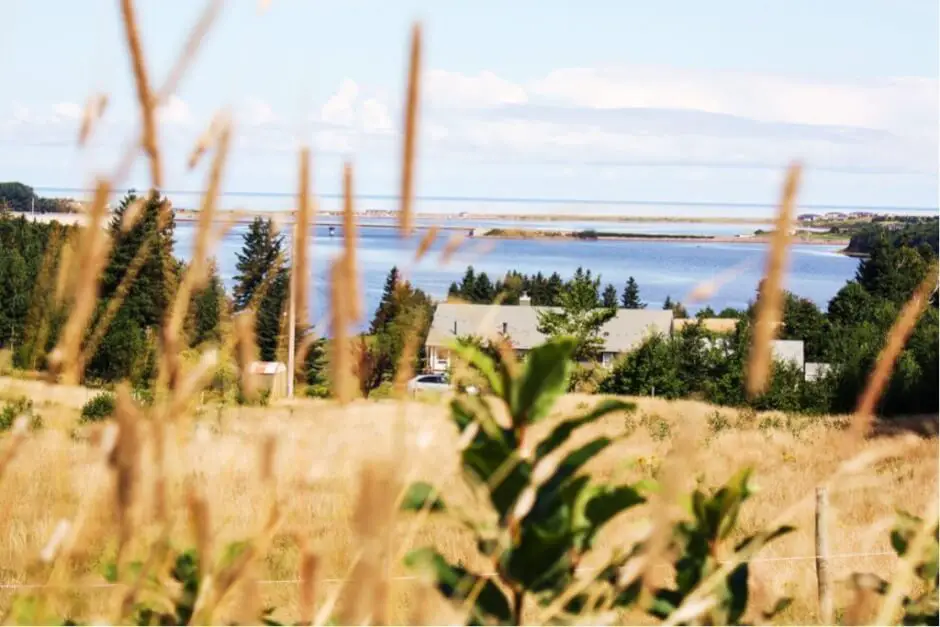
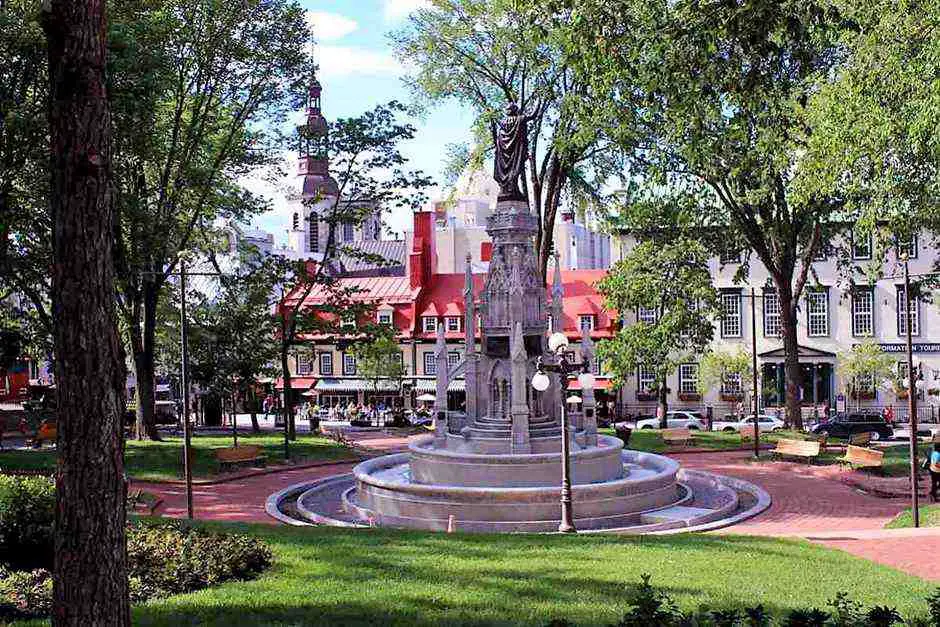
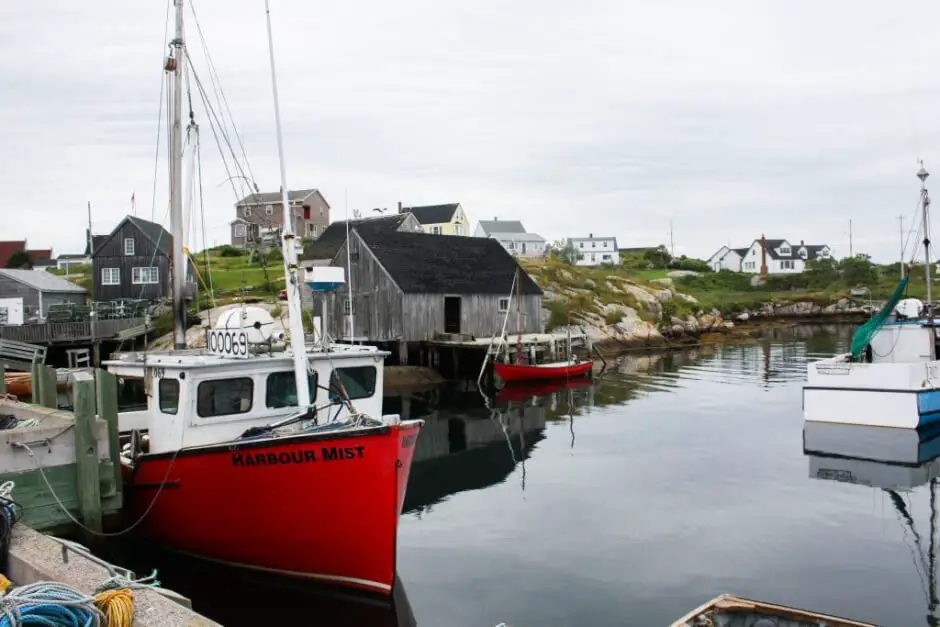
In Quebec, an evening by the St. Lawrence River can tell a more compelling story than several additional sights. In Nova Scotia, the view of the ocean is more intense if you don't immediately move on. In the Yukon, your perception of the landscape changes as soon as the silence becomes familiar.
In Canada, enjoyment often begins with simply not driving any further.

Places where you arrive
Some accommodations leave a lasting impression. Not because of luxury, but because they become part of the surroundings.
A lodge near Parc de la Mauricie, with its lake shrouded in morning mist. A small hotel on the Prince Edward Island coast, within walking distance of the harbor. A city hotel in Montreal, distinguished by its location in a vibrant neighborhood.
Places like these transform a journey. They give the stay a rhythm. You arrive, instead of just spending the night.
Especially in Canada, the choice of accommodation has a greater impact than in many European countries. Nature and wide open spaces shape the experience. Those who choose consciously will have a more intense experience.
In Charlottetown, for example, you can easily combine good food with a stroll through the historic city center. You can find our experiences here: Have a good meal in Charlottetown.
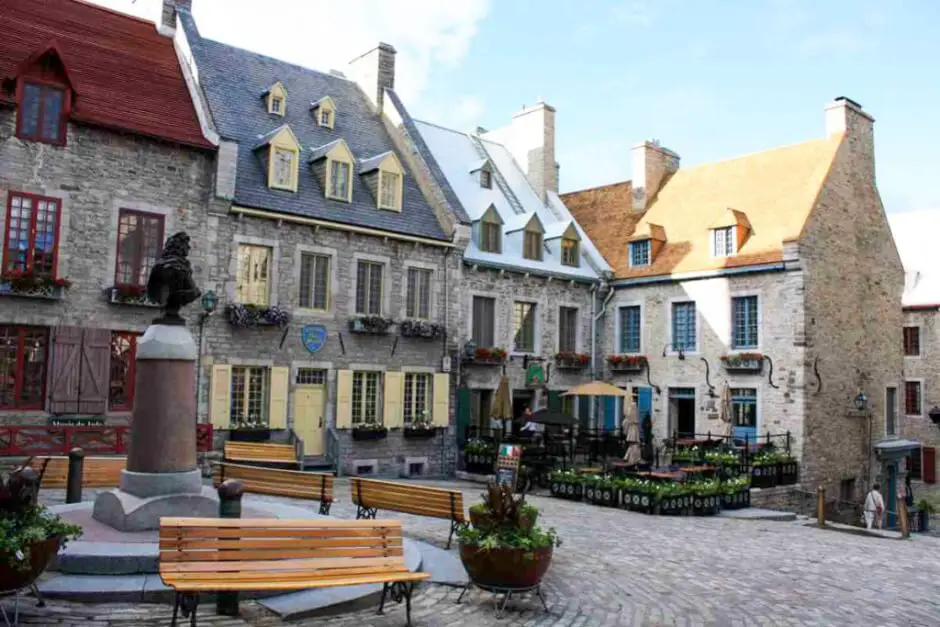
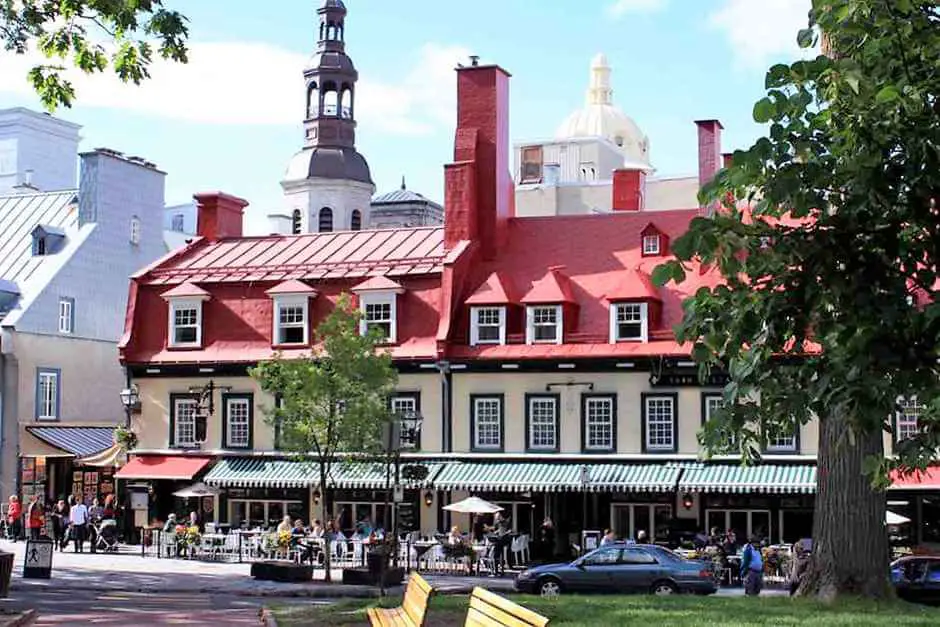
In Quebec City and Montreal, too, it's clear that location is often more important than amenities. Those interested in the region's culinary scene will find further insights in our [article/section/etc.]. Article about food in Quebec.

Enjoyment is created on the go.
In Canada, culinary experiences are rarely something that needs to be planned far in advance. More often, enjoyment arises along the way.
A visit to a market in Montreal to sample regional products. A conversation with a producer who explains their cheese or cider. Or a restaurant visit after a day outdoors in nature.
Those who want to discover Montreal in this way can, for example, take a culinary city tour: Montreal City Tour for Foodies.
In the Eastern Townships south of Montreal, landscape and culinary delights are uniquely intertwined. Hills, small villages, and vineyards characterize this region. Discover the Eastern Townships in Quebec.
Another example is Ontario. Some of Canada's most famous wines are produced there. The ice wine from the Niagara region is particularly renowned. Canadian ice wine from Niagara.
Such encounters are memorable because they are linked to a place. Those who wish to delve deeper into the culinary diversity can find further information in our article about... Canada specialties between the Atlantic and Pacific.

Consciously perceive the landscape
Canada impresses with its size. But size alone does not make for an experience.
What matters is how one moves within this landscape.
A picnic by a lake in Ontario can be more intense than a long list of tourist attractions. A coastal walk in Newfoundland is more powerful when wind and light dictate the pace. Autumn colors in Quebec only truly reveal their full effect when you stay for several days and observe the changing hues of the forests.
This is also clearly evident in the west. Vancouver Island changes its character with the time of day and the weather. Those who stay longer discover beaches, forests, and small towns that are barely noticeable when driving through quickly.
You can find ideas for activities on the island here: Vancouver Island activities for connoisseurs.
The landscape then becomes not just a backdrop, but part of one's own experience.

The mode of travel shapes the experience
An enjoyable trip to Canada requires fewer stops and more time in each place.
Those who move on every night gather impressions, but rarely experience anything deeper. Two or three regions are often enough for a trip.
Fixed accommodations offer peace and quiet and provide a starting point for the day. A rental car offers flexibility without the need for constant replanning. A camper van can also work well if enough time is allowed.
Without this time leeway, however, unrest rather than freedom arises.
The crucial question, therefore, is not how much you see, but how intensely you experience it.

Who is Canada suitable for as a gourmet trip?
Canada is particularly suitable for travelers who want to combine scenery, cuisine and everyday life.
For couples seeking space. For solo travelers who don't want to plan every day in advance. And for people who want to stay in one place for several days to truly arrive.
The country is less suitable for short trips with a tight schedule or for programs where the aim is to see as many sights as possible in just a few days.
Canada demands time. At the same time, it rewards that time.
Those who embark on this journey will discover regions with their own unique character, encounter people with stories, and find places that will stay in their memory for a long time.
If you'd like to further plan your trip to Canada – from choosing a region to planning possible routes – you'll find an overview in our Guide to planning a trip to Canada.

Source: Canada travel tips for connoisseurs: On-site research. Some of the research trips were self-funded, while others were supported by tourism authorities. We are very grateful for this support. However, our opinions remain, as always, our own.
Text: (c) Copyright Monika Fuchs and TWO.
Photos: (c) Copyright Monika Fuchs and TWO.
Videos: (c) Copyright Petar Fuchs and TWO.